
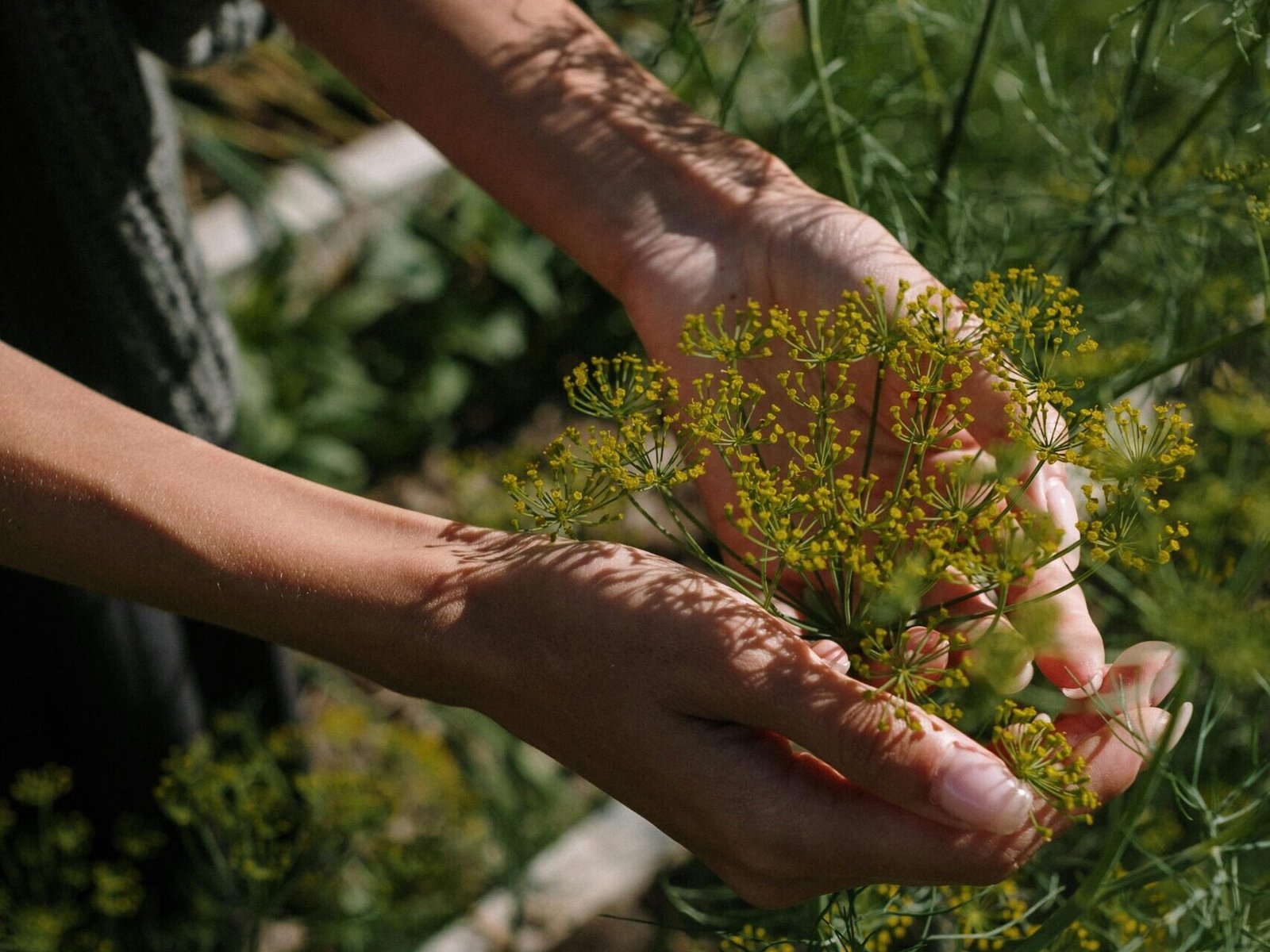
Dill was incorporated in cooking as a culinary herb in ancient Egypt, Greece, and Rome, used in the Middle Ages to protect against witchcraft and, infused in wine, to enhance passion! It’s thought of as a good luck symbol. Recognizing the antibiotic properties of Dill, gladiators used it on their bodies to prevent infection and to give them courage. Roman war heroes were crowned with wreaths of Dill when they returned home, and Dill flowers were hung in Roman banquet halls.
It contains antioxidants that improve immune function. As a medicinal supplement, various forms – such as extracts, powders, and teas – have been employed for easing childbirth pain, lowering cholesterol, managing diabetes, helping boost the immune system, reducing inflammation, and menstrual period discomfort.
For many years, Dill has been used in traditional medicinal practices for colic in infants, digestion/stomach problems, infections, liver problems, and urinary tract disorders, including kidney disease, painful or difficult urination, and bad breath!
Dill contains numerous vitamins and minerals that also support bone growth and regeneration, including iron, calcium, riboflavin, and vitamins C and D.
This herb’s name is derived from the old Norse word dilla, meaning to lull or soothe, referring to its carminative properties. (And, that’s rather interesting as Norway is quite the “stretch of the leg” from its origin around Arabia! Maybe, way back then, elsewhere it was called, simply, “Ralph” until a better name was found!)
Early on, beyond the Greeks’ use of it to cure hiccups, both they and the Romans used dill as a symbol of wealth and prosperity and even as a form of currency. (I can just see it now, “Thank you for your purchase. Here’s your change, a large scallion, four pieces of corn, and a garlic clove!”) And though no longer accepted as legal tender, it is much used in central and eastern Europe, the Nordic countries, Baltic states, Ukraine, and Russia. Thus, it should not be surprising to learn that it is one of the most widely used spices of both European and Asian cuisine.
Considered a symbol of good luck within German and Russian cultures, newlywed wives sometimes fastened Dill to their dresses to ensure happiness in their marriage. In the early days in the USA, it was called ‘meeting seed’ because it was given to children to chew on to keep them quiet during church sermons.
Its culinary herb configuration consists of dill leaves. However, every part of the Dill plant is edible, including the dill seeds, stems, and flower heads. In fact, as a foodstuff, Dill can be eaten raw or cooked. For meal preparation purposes, cut the leaves away and remove the stem. Beyond long-time application in pickling, Dill is wonderfully paired with asparagus, creamy sauces, lemon, and chicken, spinach dishes, summer squash, sprinkled over roasted potatoes, and added to creamy sauces and zucchini.
It complements cold-water fish such as herring and salmon and makes a notable appearance in recipes for borscht. It adds an unmistakable taste to herb salad blends, and often shows up in tzatziki, among other classic Greek dishes. It also adds a wonderful taste to freshly baked breads!
Here’s a special tip: It is best to add your Dill to a dish right at the end of the cooking time for the most vibrant flavor.
And, packed with flavonoids, Dill can help reduce the risk of heart disease and stroke, as well as reduce LDL cholesterol levels. It also has powerful anti-asthmatic and antibiotic properties, justifying its long-term use for a wide range of respiratory conditions. Indeed, it is well used to treat the common cold, sore throat, coughs, and flu symptoms. Its seeds are carminative, stomachic, digestive, and tranquilizing, and are traditionally used to treat hiccups, flatulence, and hemorrhoids.
On the converse, however, Dill might cause allergic reactions for those allergic to plants in the carrot family, such as Asafoetida, Caraway, Celery, Coriander, and Fennel.
Bring back the memories with the following:
Speedy Dill and Chive Peas
(Side dish)
Serves four.
Ingredients:
One quarter (1/4) cup snipped fresh Dill
Two (2) Tablespoons minced fresh Chives
One package (16 ounces) frozen Peas
One (1) Tablespoon butter
One (1) teaspoon Lemon-Pepper seasoning
One-quarter (1/4) teaspoon kosher salt
Instructions:
• Cook peas according to package directions
• Stir in remaining ingredients
• Serve and enjoy
(Take a good, long nap following those rigorous cooking activities!)

