
It has been almost a year since I first read of the disappearance of Brother Fred.
His vanishing is still a mystery to the Catholic Church. Some people claim not to even remember the story of Fred when it first appeared in the Catholic News Agency. Those who do remember don’t assign the story much thought. These people have already written him off as dead. To them, he was just a ‘Monk who raised some money for the poor.’ But it was more than just some money; the now missing Brother or Friar Fred was bringing in donations of a level that matched and sometimes exceeded the fundraising of Mother Theresa. He was just doing it without international fame and PR.
Brother Fred’s disappearance is a curiosity to me. Doing some research on his early years sparked my interest.
I don’t know why there haven’t been follow-up stories in the Catholic press, or why the story hasn’t garnered the interest of independent journalists or news stringers. Maybe it’s more interesting writing about the Mayan Train, exploitation of agave farmers, or nefarious dealings of transnational criminal organizations. For me, it’s an inexplicable need to know
more.
Local friends tell me I’m wasting my time. They say, ‘He’s dead. Probably a Cartel hit, and nobody’s going to find the body.’ If this is the case, I may be setting myself up for disappointment. Cheap crime novels suggest that the first forty-eight hours after the police discover a crime has been committed are crucial in gathering vital evidence. After that time, any chance of solving the crime is cut in half. Leads dry up fast, and now months have gone by. But nobody knows for sure that a crime has been committed so for now I’ll remain the gringo who ‘chases windmills.’
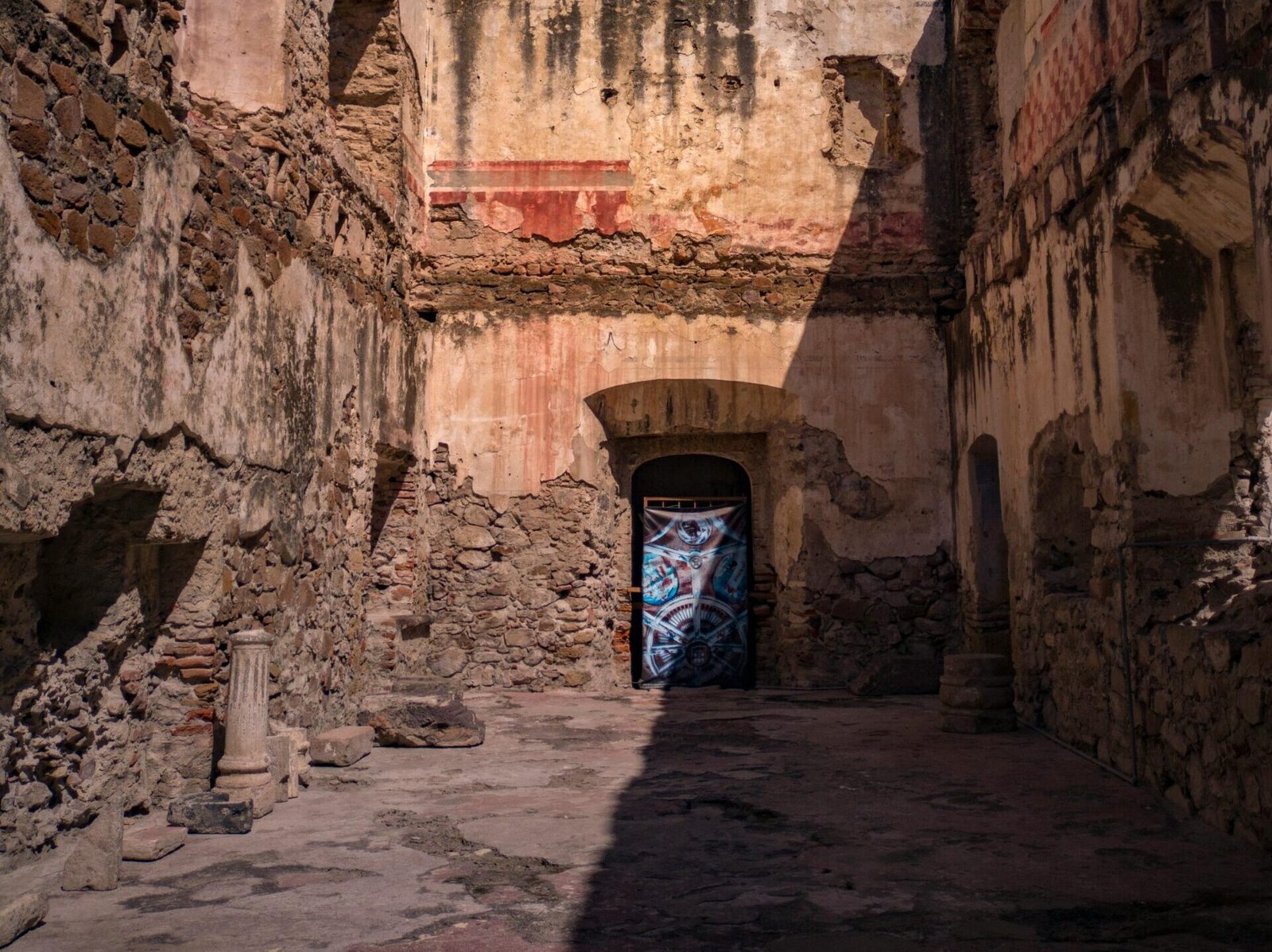
And like Don Quixote, I am past my prime and not one who recognizes sound advice from souls like Sancho. So I seized the opportunity of a ride to San Miguel de Allende. My friend’s old truck would be Rocinante. From San Miguel, I’d figure a way to get to Los Ricos and the Monasterio de Nuestra Señora de la Soledad; the Monastery that Fred was visiting and from where he had taken off for a trip to the store and to ‘meet someone for lunch.’ And then to never be seen again.
My friend had plotted a course to include some business stops along the way. Day one was a stop in Colima, then on to Sayula and an overnight in Chapala. Next day was Valle de Guadalupe, Leon, then San Miguel; a route that took us past hectares of farmland, low chaparral, and high desert. Much of this land was peppered with well-drilling rigs; people looking for water in a parched land.
If you’re my age and remember San Miguel from the early 60s and 70s, you’re in for a shock. This high desert colonial era town that had been a safe haven to artists, communists, writers, and storied revolutionaries, folks living on the cheap and looking for inspiration, is now little more than a Mexican theme park. It’s a retirement village for thousands of expats and a watering hole for tourists; an assault on the economy that has driven up crime and the cost of real estate. Forcing most of the locals out to the surrounding districts.
I walked for two hours through dirty air, a sea of cars, and saw nothing but white people with selfie sticks and rarely heard Spanish spoken. I was complaining about this to a cab driver. Told him my plans and my difficulty finding a room for the night. This good man, Alejandro, rented his sofa to me for the night and offered to drive me to the Monastery in the morning. Sometimes I truly believe I live a charmed life.
And wherever I go in any country, it’s the poor people or the working-class folks
who have helped me.

